Public-Sector CISO
The Audit Report Is a Photograph of a Fire
Point-in-time compliance audits tell you where the fire was, not where it is. Here's why that distinction costs organizations everything.
Jason Walker
.6 min read
Here's a scenario I've watched play out too many times. A state agency submits their security assessment. It's thorough, well-formatted, signed off by the right people. Procurement is satisfied. Leadership checks the box. Six months later, a misconfiguration that postdates that assessment by three weeks becomes the entry point for an incident.
The report wasn't wrong. It was just a photograph. And photographs don't tell you where the fire is now.
The compliance industry has spent decades optimizing the wrong thing. We got very good at producing evidence of a past state. 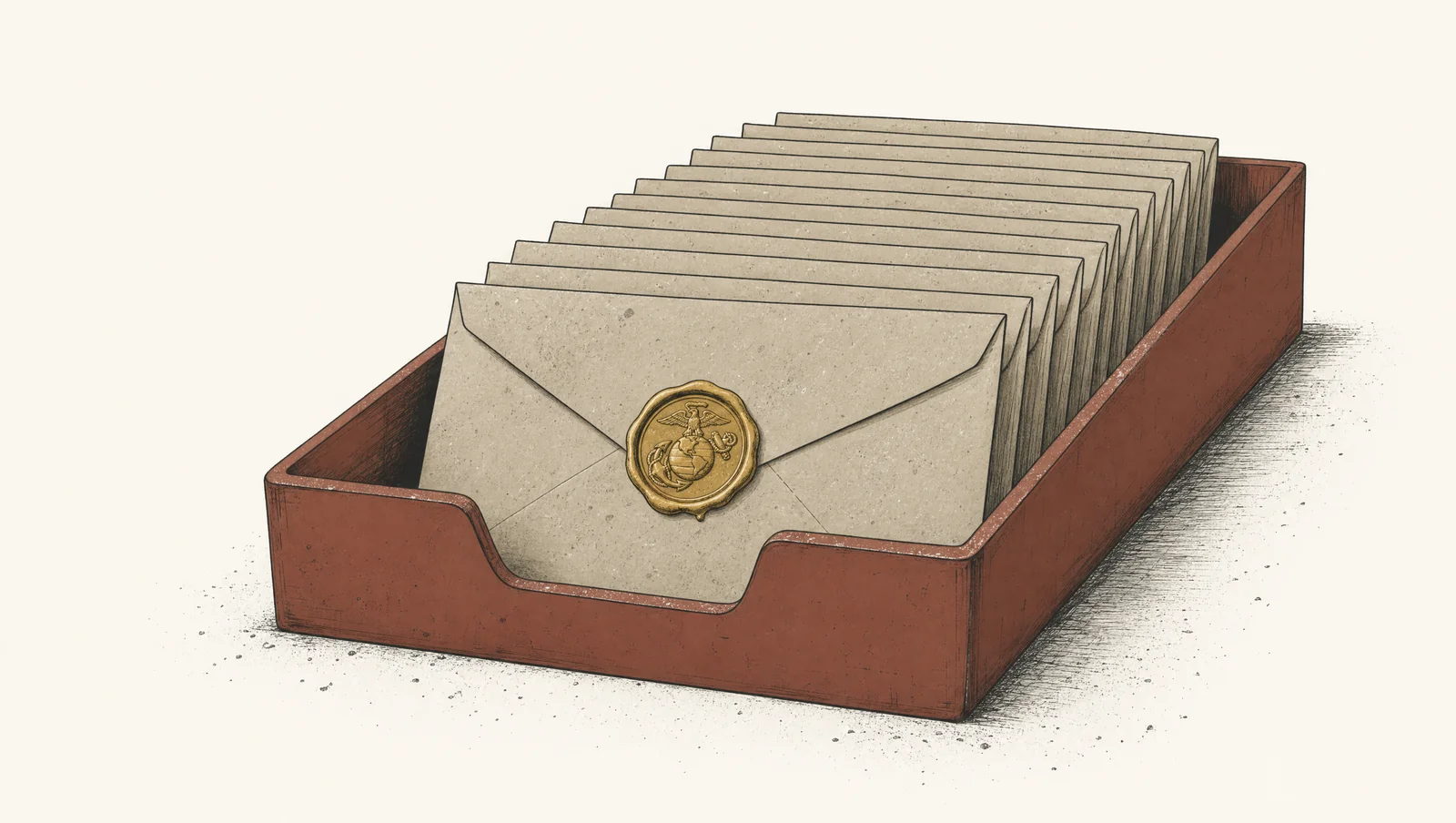
Point-in-time audits, annual assessments, PDF deliverables that travel through procurement queues for months before anyone reads them. The whole model assumes that a snapshot of your environment taken in October tells you something useful about your risk posture in March. It doesn't. Not in any environment that changes faster than the audit cycle, which is every environment.
This is not a knock on auditors. The people doing this work are often excellent. The problem is structural. We built a compliance machine around the idea that security is a destination you arrive at, certify, and then maintain by renewing the certification. That was always a fiction. It's just a fiction we could afford when environments were smaller, slower, and more static. Now it's a fiction that actively creates false confidence at exactly the scale where false confidence is most dangerous.
I run cybersecurity for dozens of state agencies across hundreds of thousands of devices and endpoints. The environment changes every single day. Agencies onboard new vendors. Configurations drift. Software gets patched in one place and not another. The threat actors are not waiting for the next assessment cycle to identify their opportunities. They are running continuous verification against our attack surface right now. The asymmetry here is not subtle. The adversary operates in real time. Our compliance framework operates on a quarterly or annual rhythm. We are showing up to a live-fire exercise with last year's range scores.
The argument for keeping the current model is always some version of "it's imperfect but it's what we have." That argument only holds if the alternative is nothing. The alternative is not nothing. Continuous control monitoring exists. Automated evidence collection exists. The technology to verify in real time whether a second approval actually happened on that pull request, whether encryption is actually enabled on that bucket, whether the policy that says logging is required is actually producing logs: that technology is available today. The industry is not stuck here because of technical limitations. It's stuck here because the compliance economy built itself around the deliverable, not the outcome.
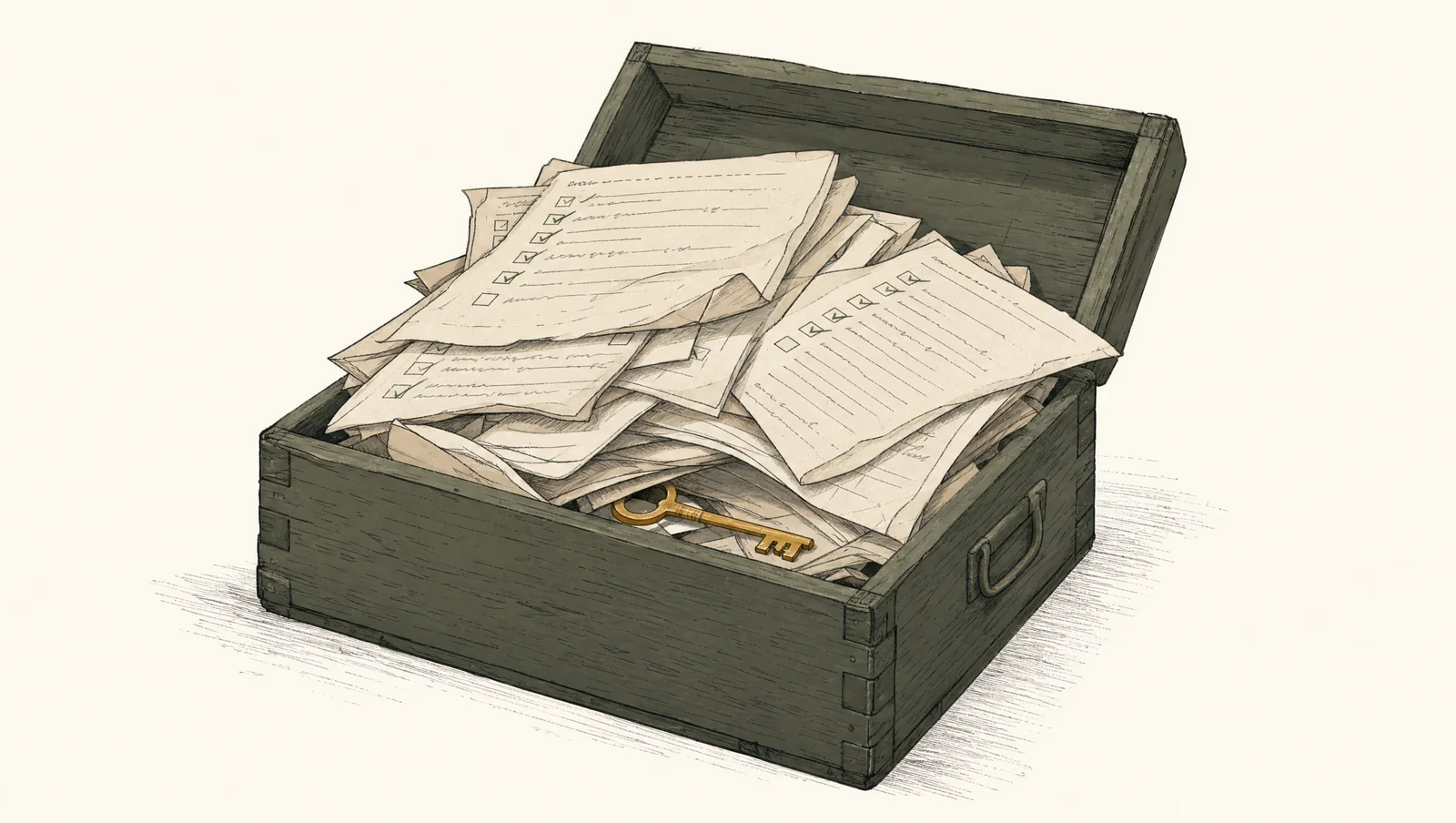
Third-party risk management is where this gets particularly expensive. The standard practice is to send a questionnaire, receive answers, check a box, and move on. The questionnaire asks whether a vendor has a security program. It rarely asks how that vendor would actually break you if they were compromised. It treats compliance attestation as a proxy for actual security posture, which it is not. A vendor can answer every question correctly and still have a configuration in their environment that creates direct exposure for you. The questionnaire won't catch that. The PDF won't catch that. Continuous, machine-readable verification of actual controls might.
Aviation safety culture offers a useful frame here. The discipline that built modern aviation safety didn't optimize for annual inspections. It built chains of error checks into the operating process itself, so deviations from safe practice are caught at the point of occurrence, not months later during a review. The result is a safety record that no other transportation mode matches. Compliance frameworks that work the same way, where evidence is generated continuously as a byproduct of normal operations, would produce similar results. We just haven't demanded that from the compliance industry yet.
The reason we haven't is partly incentive structure and partly inertia. Procurement teams are not rewarded for making distinctions between continuous verification and point-in-time snapshots. They are rewarded for collecting the required documentation before the deadline. Vendors are not penalized for delivering a PDF that will be stale before it's read. They are paid when they deliver it. Nobody in the current model has a strong financial incentive to replace it with something more accurate.
That has to change, and the pressure to change it is building from two directions at once. First, the incidents. Regulators and legislators are starting to trace breaches back through the compliance record and ask uncomfortable questions about why a certified, audited organization still had the gap that got exploited. When the answer is "because the gap opened three weeks after the last assessment," the follow-up is predictable: why wasn't that caught? Second, the technology curve. AI-assisted continuous monitoring is getting cheap enough that the cost argument for point-in-time audits is losing its force. When real-time verification costs roughly the same as an annual assessment, the only remaining argument for the annual assessment is habit.
Here's what I think practitioners should actually do with this right now.
Stop treating compliance as a destination. It is a process. The audit report is not your security posture. It is a data point that tells you where you were. Treat it like a historical record, not a current status.
Build your controls to generate evidence automatically. If your only evidence that a control is working is something a human collected manually before the audit, you don't have a control. You have a story about a control. The difference matters.
Ask your third parties different questions. Instead of "do you have a security program," ask "how would your environment affect mine if you were compromised?" Make them walk through the actual failure mode, not the attestation.
Demand continuous visibility over your own environment. The agencies and organizations that will weather the next several years of threat pressure are the ones that know what their environment looks like today, not what it looked like last October.
The photograph is not worthless. It tells you something. It just doesn't tell you where the fire is now. Build the systems that do.
Keep reading
Weekly writing from inside the work.
Practitioner-researcher essays four times a week. No spam, unsubscribe in one click.